

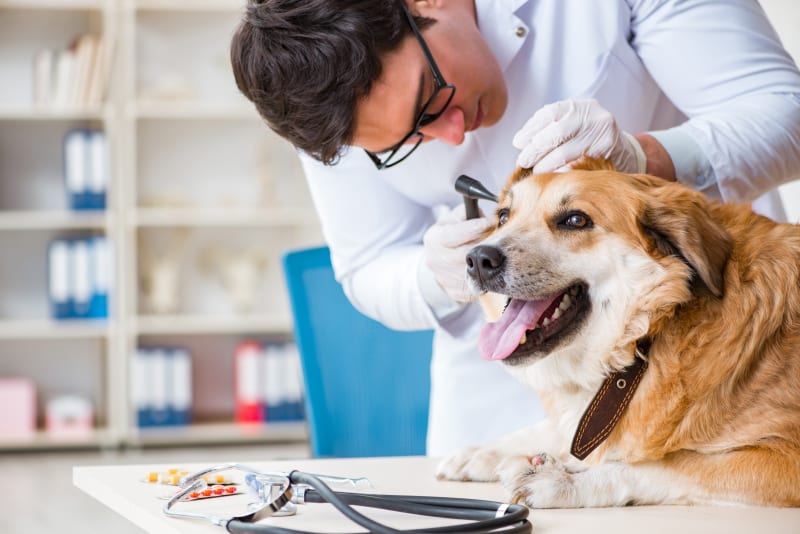
As a pet owner, ensuring the health and longevity of your companion is a top priority. Dogs and cats age much faster than humans, which means health changes can occur rapidly. Because animals naturally hide discomfort and pain, routine veterinary tests serve as an essential diagnostic window. These preventative screenings allow veterinarians to detect underlying medical conditions long before clinical symptoms appear, ensuring timely intervention and a higher quality of life.
Comprehensive wellness testing goes far beyond a basic physical examination. By evaluating blood, urine, fecal matter, and cellular health, veterinary teams can establish baseline health profiles tailored to your specific pet. This guide details the standard diagnostic tests performed during routine veterinary visits, what they measure, and why they are vital to your pet’s proactive healthcare plan.
The Core Components of Routine Veterinary Screenings
When you bring your pet in for an annual or bi-annual checkup, your veterinarian will likely recommend a standard panel of diagnostic tests. These tests are divided into distinct categories, each targeting different organ systems and metabolic functions.
Complete Blood Count (CBC)
A Complete Blood Count is one of the most common and informative blood tests utilized in veterinary medicine. It isolates and analyzes the cellular components of the blood, providing a snapshot of your pet’s immune system and oxygen-carrying capacity.
-
Red Blood Cells (RBCs): These cells transport oxygen from the lungs to the rest of the body. A low red blood cell count indicates anemia, which can stem from chronic disease, internal bleeding, or bone marrow disorders. A high count can signify dehydration.
-
White Blood Cells (WBCs): White blood cells are the body’s primary defense against infection and inflammation. Elevated white blood cell levels often point to an active infection, tissue damage, or severe stress, while low levels may suggest bone marrow suppression or a compromised immune system.
-
Platelets: These tiny cell fragments are responsible for blood clotting. Insufficient platelet counts put your pet at risk for spontaneous bleeding or bruising, which can be critical during surgeries or after injuries.
Blood Chemistry Profile
While the CBC examines blood cells, the blood chemistry profile evaluates the liquid portion of the blood (serum or plasma). This panel measures chemical compounds, enzymes, and electrolytes to assess the functionality of vital internal organs.
-
Liver Function Indicators (ALT, ALP, Total Bilirubin): The liver processes nutrients, filters toxins, and aids in blood clotting. Elevated liver enzymes can indicate hepatitis, toxic ingestion, gallbladder disease, or age-related decline.
-
Kidney Function Indicators (BUN, Creatinine, SDMA): The kidneys filter waste products from the blood. Blood Urea Nitrogen (BUN) and Creatinine levels rise when the kidneys are underperforming. Symmetric Dimethylarginine (SDMA) is a modern biomarker that can detect kidney decline much earlier than traditional tests, allowing for early dietary and medical intervention.
-
Blood Glucose: Measuring blood sugar levels is vital for diagnosing diabetes mellitus, a common endocrine disorder in both aging cats and dogs. High glucose can also be triggered by acute stress, particularly in felines.
-
Proteins (Albumin and Globulin): Total protein levels reflect nutritional status, liver health, and the presence of chronic inflammation or immune-mediated diseases.
-
Electrolytes (Sodium, Potassium, Chloride): Proper electrolyte balance is mandatory for nerve transmission, muscle function, and fluid balance. Imbalances frequently occur with vomiting, diarrhea, or endocrine conditions like Addison’s disease.
Preventative Infectious Disease Screenings
In addition to monitoring organ function, routine vet visits include specialized testing for infectious and parasitic diseases that pose significant threats to companion animals.
Heartworm and Tick-Borne Disease Testing
For dogs, an annual blood test is standard practice to screen for vector-borne illnesses. This screening is often referred to as a 4Dx test because it simultaneously checks for four distinct conditions.
-
Heartworm Disease: Transmitted by mosquitoes, heartworms live in the heart and pulmonary arteries, causing severe lung damage and heart failure. Annual testing ensures that preventative medications are working effectively.
-
Lyme Disease: A bacterial infection transmitted by deer ticks that can cause joint pain, lameness, and kidney damage.
-
Ehrlichiosis and Anaplasmosis: Both are tick-borne bacterial infections that attack blood cells, leading to fever, lethargy, bleeding disorders, and chronic joint pain.
Feline Leukemia (FeLV) and Feline Immunodeficiency Virus (FIV)
For cats, particularly those with outdoor access or newly adopted individuals, screening for FeLV and FIV is vital. These viral infections suppress a cat’s immune system, making them highly susceptible to secondary infections, anemia, and certain cancers. Because these viruses can remain dormant for years without showing symptoms, early detection helps owners manage their cat’s environment and health to prolong life.
Fecal and Urinalysis Screenings
Not all vital health data is found within the bloodstream. Evaluating excretory products provides crucial insights into gastrointestinal and urinary tract health.
Fecal Flotation and Giardia Screening
Internal parasites are incredibly common in pets and can cause diarrhea, weight loss, and poor coat quality. Some parasites are also zoonotic, meaning they can be transmitted to humans. Routine fecal examinations involve mixing a stool sample with a special solution that coaxes parasite eggs to float to the surface for microscopic identification.
Veterinarians check for common parasites including roundworms, hookworms, whipworms, and coccidia. An additional test for Giardia, a microscopic protozoan found in contaminated water, is often conducted if a pet suffers from intermittent gastrointestinal upset.
Urinalysis
A urinalysis is a non-invasive test that evaluates the physical and chemical properties of a pet’s urine. It serves as a companion test to blood chemistry panels to provide a complete picture of kidney function and metabolic health.
-
Urine Specific Gravity (USG): This measures how well the kidneys concentrate urine. Dilute urine can be an early indicator of kidney disease, diabetes, or Cushing’s disease.
-
Chemical Analysis: This checks for the presence of abnormal substances. Glucose in the urine suggests diabetes, while protein can indicate kidney damage or inflammation. The presence of bilirubin can point to liver disease.
-
Microscopic Sediment Examination: The urine is spun in a centrifuge to collect solid particles. Veterinarians examine this sediment under a microscope to search for red blood cells, white blood cells (indicating infection), bacteria, epithelial cells, or crystals that could coalesce into painful bladder stones.
Frequently Asked Questions
Why does my pet need routine testing if they appear completely healthy?
Animals possess a strong evolutionary instinct to hide signs of illness and pain to avoid appearing vulnerable. By the time a pet shows visible symptoms of disease, such as weight loss, lethargy, or increased thirst, the underlying condition may already be advanced. Routine testing establishes an individual baseline for your pet and catches subtle biochemical changes early, allowing for more effective and less expensive treatments.
How often should these diagnostic tests be performed?
For young, healthy adult dogs and cats, annual screening is generally sufficient. However, for senior pets (typically those over seven years of age) or pets with chronic health conditions, semi-annual screenings are highly recommended. Senior pets experience rapid physiological changes, and bi-annual testing helps catch age-related conditions like arthritis, kidney decline, or thyroid issues early.
Does my dog really need a heartworm test every year if they take preventatives?
Yes, annual heartworm testing is still necessary. No medication is one hundred percent effective, and missing a dose by even a few days can leave a window of vulnerability open. Furthermore, giving heartworm preventative medication to a dog that is already positive for heartworms can trigger a severe, life-threatening allergic reaction. Testing ensures it is safe to continue preventative care.
What is the difference between a screening test and a diagnostic test?
A screening test is performed on an animal that appears completely healthy to look for hidden illnesses or risks. A diagnostic test is ordered when a pet is already showing clinical symptoms, such as vomiting or lethargy, to pinpoint the specific cause of the illness and formulate a targeted treatment plan.
How should I prepare my pet for a routine blood or urine test?
For standard wellness testing, your veterinarian may request that you fast your pet for 8 to 12 hours prior to the appointment. Fasting prevents lipemia, which is an excess of fat in the blood that occurs right after eating and can interfere with chemistry profile results. Always ensure your pet has access to fresh water unless explicitly instructed otherwise by your clinic.
Can a regular blood test detect cancer in pets?
Standard routine blood work like a CBC or chemistry panel does not specifically diagnose cancer. However, it can reveal secondary clues, such as unexplained anemia, severe elevations in specific white blood cells, or abnormal protein levels, which prompt veterinarians to pursue further diagnostic imaging like X-rays or ultrasounds. Specialized advanced blood tests designed specifically to detect circulating tumor markers are becoming available but are separate from standard routine wellness profiles.