

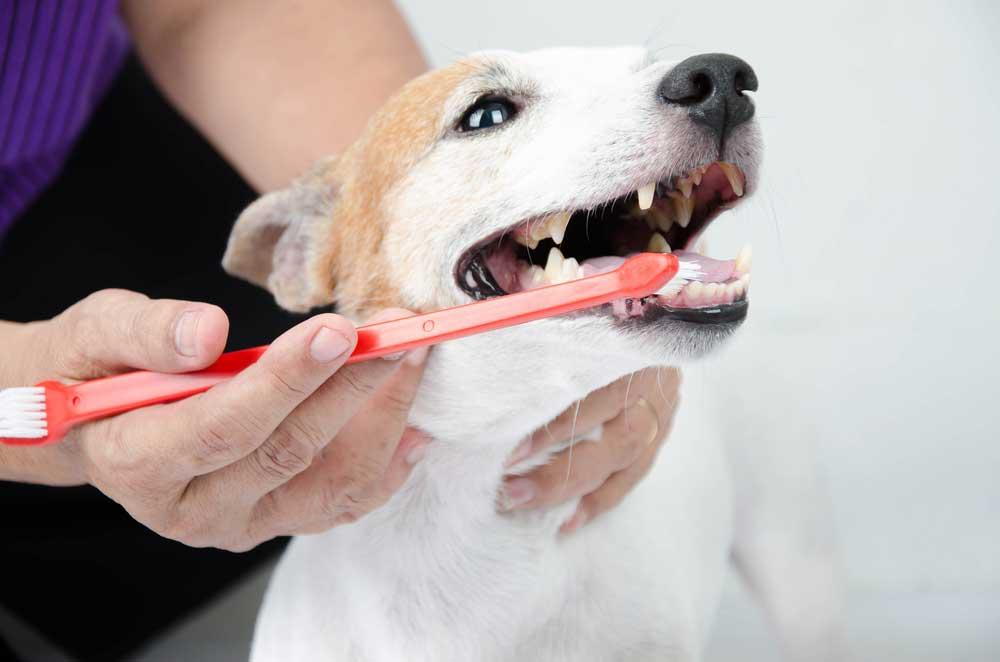
Many pet owners focus heavily on nutrition, exercise, and vaccinations while unintentionally overlooking one of the most critical aspects of their animal’s health: dental hygiene. Just like humans, dogs and cats are highly susceptible to dental diseases that can cause chronic pain, tooth loss, and systemic health complications. By the time they reach three years of age, the vast majority of dogs and cats exhibit some signs of periodontal disease.
Preventative dental care is not merely about eliminating bad breath; it is a vital part of extending your pet’s lifespan. Left unchecked, oral bacteria can enter the bloodstream through inflamed gum tissues, potentially causing irreversible damage to core organs such as the heart, liver, and kidneys. Developing a consistent home care routine combined with professional veterinary monitoring can keep your pet smiling comfortably for years to come.
Recognizing the Hidden Signs of Oral Discomfort
Because pets possess a strong natural instinct to hide physical vulnerability, they rarely whine or cry out to signal a toothache. Instead, owners must look for subtle behavioral transformations and physical markers that indicate a developing problem.
Common Warning Signs of Dental Disease
-
Persistent Bad Breath: While pet breath is rarely entirely odorless, a foul, sweet, or metallic odor is a clear indicator of bacterial accumulation, plaque buildup, or infection.
-
Changes in Eating Habits: If your pet suddenly drops food while chewing, favors one side of their mouth, paws at their face, or hesitates to eat hard kibble, they may be experiencing acute dental pain.
-
Visible Discoloration: Healthy pet gums should be a vibrant, healthy pink. Redness along the gum line, bleeding, or a yellowish-brown crust on the teeth (tartar) point to active inflammation.
-
Excessive Drooling: A sudden increase in salivation, especially if the saliva contains traces of blood, is frequently tied to oral lesions, loose teeth, or severe gum infections.
-
Lethargy and Irritability: Chronic oral pain can drain your pet’s energy or make them unusually reactive to being touched around the head and muzzle.
Establishing an Effective At-Home Brushing Routine
The absolute gold standard of domestic pet dental care is daily tooth brushing. While the idea of brushing a cat or dog’s teeth may seem daunting, a patient, step-by-step introduction can make the process a stress-free habit for both you and your animal companion.
Selecting the Right Dental Tools
Never use human toothpaste on a pet. Human toothpastes often contain fluoride, sodium lauryl sulfate, and artificial sweeteners like xylitol. Xylitol is highly toxic to dogs and can induce life-threatening hypoglycemia and liver failure, while fluoride can cause severe gastric distress.
Instead, invest in specialized veterinary toothpaste, which comes in highly appealing flavors like poultry, beef, malt, or seafood. Additionally, choose an appropriate brush: a dual-headed toothbrush works well for medium to large dogs, while a soft-bristled finger brush or a piece of medical gauze wrapped around your index finger is ideal for small dogs and cats.
Step-by-Step Training Protocol
-
The Taste Test: Start by allowing your pet to lick a small dollop of flavored veterinary toothpaste off your finger. Do this for several days until they view the paste as a reward.
-
Desensitize the Mouth: Gently lift your pet’s lips and run your bare finger along their gums and outer tooth surfaces. Keep these initial sessions incredibly brief, lasting only ten to fifteen seconds, and follow up immediately with high-value praise.
-
Introduce the Brush: Apply a small amount of paste to the pet toothbrush. Allow the pet to lick it off the bristles so they become familiar with the texture of the brush.
-
Begin Gentle Motion: Lift the lip and gently apply the brush to the outer surfaces of the large canine and cheek teeth using a light, circular motion. Focus primarily on the gum line, where plaque naturally pools.
-
Keep It Brief: You do not need to brush the inside surfaces of the teeth, as an animal’s tongue naturally sweeps away a significant portion of plaque there. Aim to spend roughly thirty seconds per side, and never force the issue if your pet becomes highly stressed.
Utilizing Dental Chews, Treats, and Water Additives
While manual brushing is irreplaceable, alternative dental products can serve as excellent supportive tools, particularly for pets that refuse to tolerate a toothbrush.
Veterinary Oral Health Council Approved Products
When shopping for dental treats, toys, or food, always look for the Veterinary Oral Health Council acceptance seal on the packaging. This organization rigorously reviews clinical data to verify that a product genuinely reduces plaque and tartar accumulation through mechanical scraping or chemical inhibition.
Formulated Dental Diets
Standard dry kibble is often believed to clean teeth simply because it is crunchy, but most commercial kibble shatters immediately upon contact with the tip of the tooth, providing minimal abrasive benefit. Specialized prescription dental diets feature much larger, structurally fibrous kibble pieces. These pieces do not shatter instantly; instead, they allow the tooth to sink deeply into the kibble, effectively wiping away plaque from the enamel surface as the animal bites down.
Safe Chewing Outlets
Chewing is a natural canine behavior that stimulates saliva production, which inherently protects the mouth. However, choosing the wrong chew toys can result in fractured teeth. Hard objects like sterilized real animal bones, antlers, nylon chews, and cow hooves lack flexibility and frequently split the large upper carnassial teeth. Opt instead for firm rubber toys, flexible dental sticks, or compressed rawhide chews that give slightly under pressure.
The Indispensable Role of Professional Veterinary Cleanings
Even with meticulous home care, pets will eventually require a professional dental cleaning, known clinically as a Comprehensive Oral Health Assessment and Treatment. Much like a human visit to the dental hygienist, a veterinary professional cleaning removes the hardened tartar that brushing cannot budge.
The Necessity of General Anesthesia
A thorough, safe, and effective veterinary dental cleaning cannot be performed while an animal is awake. Anesthesia is absolutely mandatory for several critical reasons:
-
Subgingival Cleaning: The most harmful bacteria reside beneath the gum line. Scraping this area requires absolute stillness to avoid cutting the delicate tissues.
-
Diagnostic Imaging: Full-mouth dental X-rays are crucial, as over half of all dental pathology occurs hidden beneath the gum line, out of sight of a visual exam. Securing clear radiographs requires precise sensor placement that an awake animal would reject.
-
Airway Protection: Intubation protects your pet’s airway from inhaling aerosolized bacteria, water, and debris produced during ultrasonic scaling.
-
Stress Reduction: An awake dental cleaning would be incredibly frightening and painful for an animal, potentially ruining their trust in future handling.
Prior to any anesthetic procedure, veterinarians run comprehensive pre-anesthetic blood work to evaluate liver and kidney function, ensuring that your pet can safely process and eliminate the sedative medications.
Frequently Asked Questions
Can I use baking soda to clean my pet’s teeth at home?
Baking soda should not be used to clean a pet’s teeth. It has a high sodium content that can easily disrupt your pet’s internal electrolyte balance if swallowed, potentially leading to serious complications for animals with underlying heart or kidney conditions. Additionally, its highly alkaline taste is offensive to most pets, which can cause them to resist future oral care sessions.
Why do small dog breeds seem to suffer from worse dental problems than large dogs?
Small and toy breeds, such as Chihuahuas, Yorkies, and Pugs, have the exact same number of teeth as large dogs (forty-two adult teeth) but packed into a vastly smaller jaw. This severe overcrowding creates countless tiny crevices where food debris and hair become tightly trapped. Furthermore, small breeds frequently have shallower tooth roots, meaning plaque buildup can compromise the structural integrity of the jawbone much faster.
What are dental water additives and do they actually work?
Dental water additives are specialty liquids formulated to be diluted directly into your pet’s daily drinking water. They contain safe, enzymatic or antimicrobial ingredients designed to break down plaque biofilms and reduce oral bacteria concentrations. While they are highly effective at minimizing foul breath and slowing down new plaque formation, they cannot dissolve existing, hardened tartar and should be used alongside brushing rather than as a replacement.
How often should my pet get a professional veterinary dental cleaning?
The frequency depends entirely on the individual animal’s breed, genetics, and home care regimen. Many small breed dogs and certain cats require annual or even bi-annual cleanings starting around two or three years of age. Conversely, larger breeds with excellent home care routines might only require professional intervention every two to three years. Your vet will evaluate your pet’s tartar levels during their annual exam to make a tailored recommendation.
What is a tooth resorption lesion in cats and how is it treated?
Tooth resorption is a painful feline condition where the body’s own cells mistakenly begin breaking down and absorbing the structure of the tooth, starting from the inside and moving outward. This process eventually exposes the highly sensitive nerve root. Because the cause remains poorly understood, the only effective treatment to eliminate the chronic pain is the surgical extraction of the affected tooth by a veterinarian.
Is it safe for an older senior pet to undergo anesthesia for a dental cleaning?
Age itself is not a disease. A healthy senior pet is an excellent candidate for anesthesia, provided their pre-anesthetic blood work, urinalysis, and chest radiographs show stable organ function. Leaving an elderly pet to cope with severe, chronic dental infections introduces far greater risks to their internal organs and overall well-being than a carefully monitored, modern anesthetic procedure.