

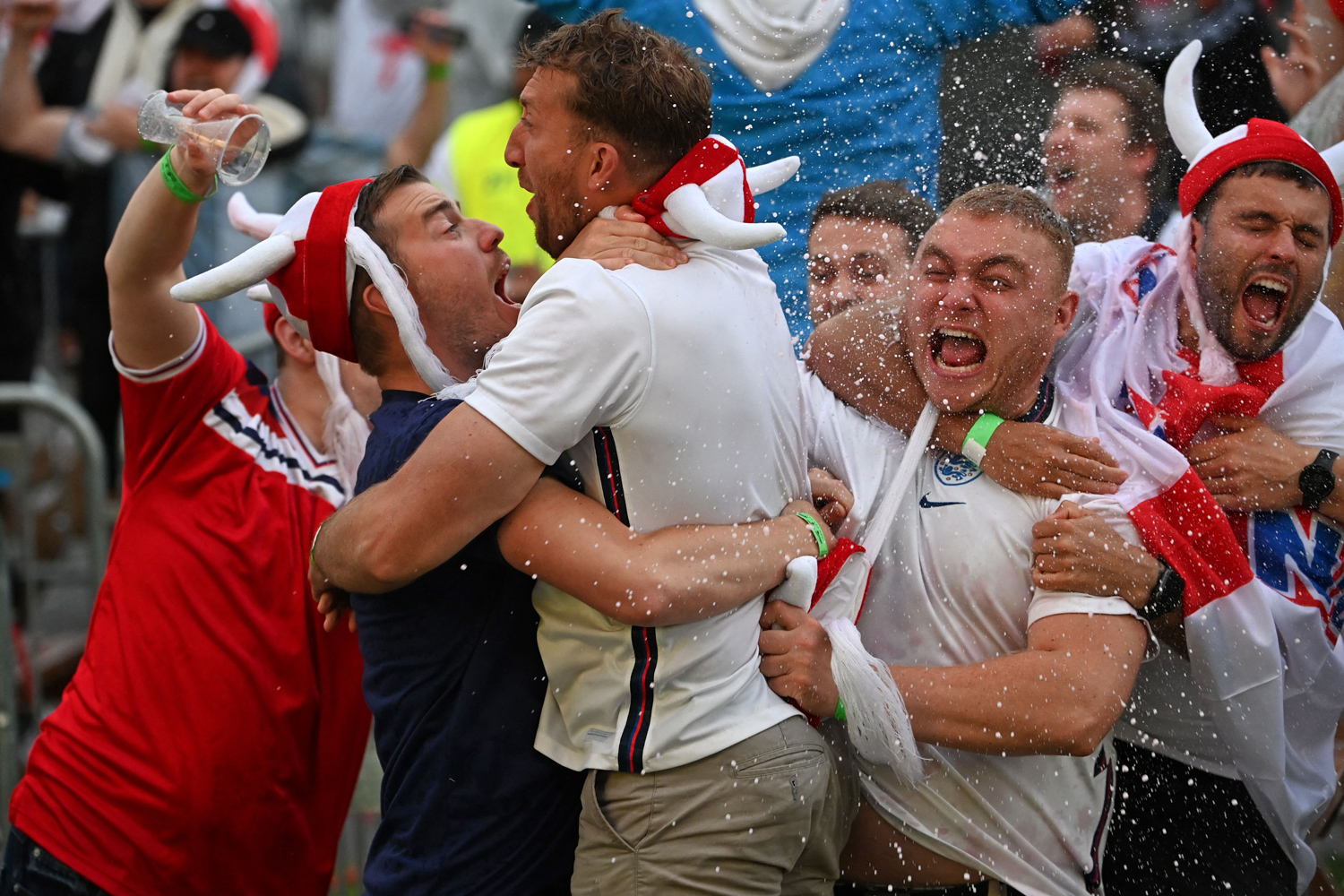
The global game of soccer, commonly referred to as football outside North America, is defined by more than just tactical formations, star athletes, and multi-billion-dollar stadiums. While players dictate the actions on the pitch, the culture, identity, and soul of the sport are engineered entirely by the people in the stands. Football fans are not passive spectators; they are active participants whose collective voice, passion, and traditions fundamentally shape the beautiful game.
Unlike many sports where the stadium experience serves as mere entertainment accompanying the game, football fandom acts as a dynamic cultural ecosystem. The relationship between a football club and its supporters is rooted in history, geography, and community identity. From massive choreographed displays to generational vocal traditions, supporters elevate matches into grand theater and directly influence the financial, political, and physical realities of the sport.
The Stadium as a Cultural Theater
The home ground of a football club is often described by fans as a sanctuary. Within these concrete structures, ordinary individuals transition into a collective entity capable of moving the emotional needle of a match. The culture created inside the stadium is built upon several foundational pillars that vary significantly by region but share a common goal: asserting identity and inspiring the team.
The Phenomenon of the Tifo
Originating in Southern Europe and spreading across Latin America and the rest of the world, a tifo is a large-scale, coordinated visual display orchestrated by fan groups. These displays usually take place just as the players walk onto the pitch before kickoff. A tifo can consist of thousands of small colored placards held aloft to create a massive mosaic image, giant painted banners hoisted via complex pulley systems, or synchronized smoke displays.
The creation of a tifo is a monumental undertaking that requires months of planning, thousands of dollars funded by the fans themselves, and secretive design sessions to ensure rivals do not catch wind of the theme. These visual masterpieces often tell stories of the club’s history, celebrate local heroes, or deliver sharp psychological blows to opposing teams, showcasing how fans use art to establish the narrative backdrop of a fixture.
Songs, Chants, and the Sonic Landscape
If a tifo provides the visual framework of football culture, chants supply the soundtrack. Football stands function as spontaneous, thousands-strong choirs. Unlike the generic cheers seen in other global sports, football chants are highly complex, poetic, and incredibly responsive to the actions unfolding on the field.
Many chants are adapted from popular folk songs, pop music melodies, or traditional hymns, with lyrics altered to praise specific players, mock opponents, or profess unwavering loyalty. This vocal culture is passed down through generations, ensuring that a child attending their first match learns the same melodies sung by their grandparents. The acoustic environment created by these songs generates an intense pressure cooker atmosphere that can directly rattle opposing players and lift the performance of the home side during difficult moments in a match.
Tribalism and Local Identity
At its core, football fandom is deeply intertwined with local identity and community sociology. In many cities worldwide, supporting a specific club is not an arbitrary preference; it is a declaration of geographic belonging, social class, or political ideology.
The fiercest rivalries in the sport, known as derbies, are born from these deep-seated societal divides. For instance, matches between clubs from the same city often reflect historic internal cleavages, such as industrial labor divides, sectarian religious roots, or distinct political philosophies. When fans participate in these matches, they are fighting for the pride of their community, making the outcome of the game deeply meaningful to daily life in the region.
This localized tribalism also fosters an intense sense of global solidarity. When a fan travels across the world wearing their club’s colors, they are instantly identifiable to members of the same global community. Supporters clubs exist in nearly every major international city, allowing expatriates and foreign enthusiasts to gather in the early hours of the morning to replicate the matchday traditions of stadiums thousands of miles away.
Fan Activism and the Defense of Tradition
The modern era has seen football transform into a hyper-commercialized global industry. As elite clubs attract multi-national corporations, sovereign wealth funds, and private equity investors, the traditional working-class fanbase has frequently found itself at odds with institutional ownership. This friction has turned the stands into a hotbed for social and economic activism.
Supporters frequently mobilize to protect the traditions and accessibility of their clubs. When ticket prices climb to levels that price out the local community, fan groups organize mass walkouts, boycotts, and banner protests to demand fair pricing structures. They view themselves not as consumers of a entertainment product, but as the rightful custodians of the institution’s heritage.
The power of organized fan activism was demonstrated on a global stage in recent years during the sudden announcement and rapid collapse of a proposed closed-shop European Super League. The project, designed by a cartel of wealthy owners to guarantee revenue without the risk of sporting relegation, threatened the meritocratic foundation of European football culture. Within hours of the announcement, fans of the involved clubs took to the streets, blocked team buses, hung protest banners outside stadiums, and utilized social media to unleash unprecedented public backlash. The fierce, united resistance from the match-going public forced ownership groups to issue public apologies and abandon the multi-billion-dollar project within forty-eight hours, proving that fans remain the ultimate gatekeepers of the sport’s competitive integrity.
The Evolutionary Impact on Digital and Pop Culture
As technology has advanced, football fan culture has broken past the physical boundaries of the stadium and spilled into the digital landscape. The rise of social media platforms, fan-led media outlets, and independent digital communities has democratized how the sport is analyzed, discussed, and perceived.
Fan-cam channels and independent supporter networks have challenged mainstream sports broadcasting by offering raw, unedited perspectives from the people exiting the turnstiles. This shift has altered how clubs interact with their audiences. Modern players and executives are highly sensitive to the digital sentiment of the fanbase, which can influence everything from managerial sackings to player transfers and kit designs. Through internet culture, memes, and digital organizing, fans have found a way to maintain a continuous, twenty-four-hour influence over the global football narrative.
Frequently Asked Questions
What does the term Ultra mean in football fan culture?
Ultras are highly organized, fanatical supporter groups known for their intense vocal support, elaborate tifo displays, and deep commitment to their club’s identity. While often mischaracterized by casual observers due to fringe elements associated with hooliganism, the vast majority of Ultra groups focus strictly on creating vibrant stadium atmospheres and conducting community charity work.
How do fans influence a team’s home field advantage?
The physical and psychological impact of a passionate crowd is immense. A loud, hostile stadium environment can induce stress in visiting players, disrupt their communication, and subtly influence refereeing decisions. Conversely, vocal support stimulates adrenaline and motivation for the home players, a phenomenon often referred to as the twelfth man effect.
What is the significance of fans wearing club scarves?
The tradition of the football scarf dates back to the early twentieth century as a practical way to stay warm in open-air stadiums while displaying team colors. Today, holding a scarf horizontally above the head while singing the club’s anthem is a universal gesture of solidarity, creating a visual wall of color across the stands.
How does the fifty plus one ownership rule in Germany protect fan culture?
The fifty plus one rule is a regulation in German football ensuring that democratic club members, meaning the fans, retain the majority of voting rights. This structure prevents external commercial investors from seizing total control of a club, keeping ticket prices low, standing terraces intact, and ensuring the community retains a direct say in club decisions.
Why do football fans swap shirts or collect memorabilia?
Memorabilia collection is a tangible expression of a fan’s personal journey through the sport’s history. Items like vintage matchday programs, match-worn kits, and unique scarves serve as cultural artifacts that link individual memories to the collective history of the club and its community.
What role do fans play in promoting social causes through football?
Because football stadiums gather diverse cross-sections of society, fan groups frequently use the platform to champion social causes. Supporters regularly coordinate food bank collections, launch anti-racism campaigns, and display banners addressing environmental issues or local community crises, turning the matchday experience into a vehicle for positive social change.