

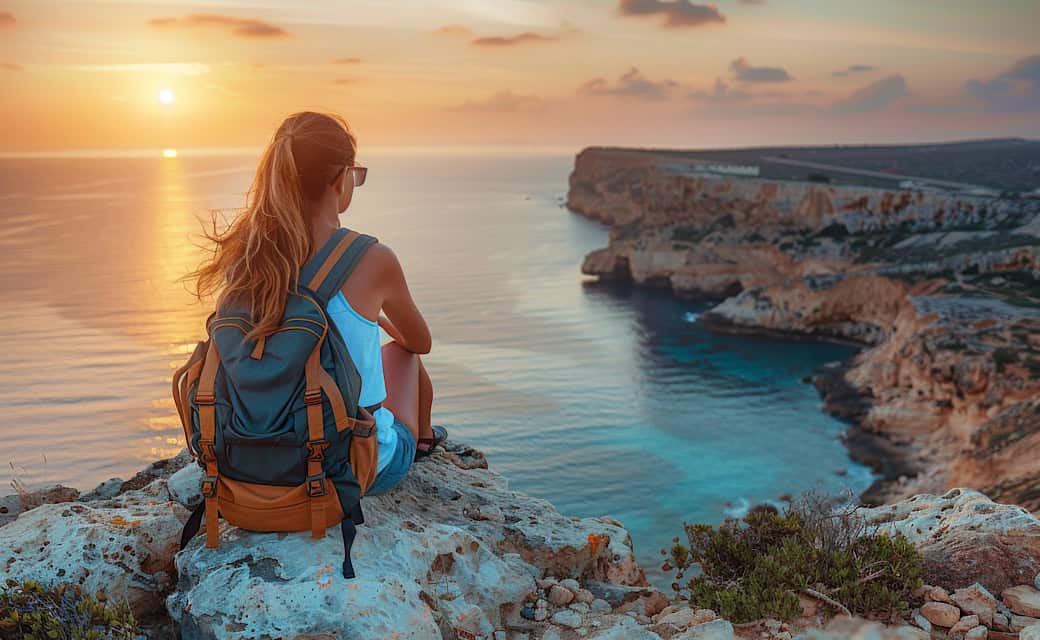
Embarking on a solo journey is one of the most liberating experiences a person can undertake. It provides the freedom to design your own schedule, discover hidden destinations at your own pace, and engage in profound self-reflection. However, traveling alone also places the entire burden of logistics and personal security onto your shoulders. Among all the decisions a solo traveler must make, choosing where to lay your head at night is the most critical.
The perfect lodging for a solo traveler must sit at the intersection of two major priorities: physical safety and financial affordability. Balancing these two needs requires moving past basic booking websites and understanding specific vetting techniques. By learning how to decode guest reviews, leverage alternative lodging models, and assess geographical risks, you can secure accommodations that protect both your well-being and your wallet.
The Art of Geographical Vetting
Before you even begin comparing specific hotels or hostels, you must thoroughly evaluate the geography of your destination city. A cheap room ceases to be a bargain if it is located in a high-crime neighborhood or so far from the city center that transit costs consume your daily budget.
-
Map the Transit Nodes: Always cross-reference potential properties with local public transportation maps. Prioritize accommodations located within a five-minute to ten-minute walking radius of a major subway station, tram stop, or well-lit bus terminal. This ensures you can return to your room safely after dark without navigating long, deserted streets.
-
Identify Dead Zones: Many commercial districts are vibrant and bustling during business hours but transform into empty, poorly lit dead zones at night. Look for neighborhoods that feature a healthy mix of residential buildings, grocery stores, and local cafes. A steady stream of neighborhood foot traffic provides natural surveillance, making walks back to your room significantly safer.
-
Use Virtual Street Mapping: Utilize digital satellite maps to virtually walk the street outside a potential accommodation. Look for specific indicators of safety, such as functional streetlights, clear sidewalks, and nearby open businesses. If the entrance is tucked down a dark, narrow alleyway without visibility from the main road, consider looking elsewhere.
Decoding the Hidden Truths in Guest Reviews
Online review systems are invaluable, but casual reading is rarely enough. To uncover the true state of a property, you must look past the aggregate star rating and scan the text for specific patterns and targeted keywords.
Start by filtering reviews to display comments written exclusively by solo travelers. Families, business groups, and couples experience accommodations through an entirely different lens. A couple might find a remote boutique hotel romantic, whereas a solo traveler might find the same location isolating and logistically challenging.
When evaluating reviews, pay close attention to safety-specific indicators. Look for mentions of operational electronic room locks, the presence of 24-hour reception staff, and securely monitored luggage storage rooms. If multiple reviewers over a six-month period mention that the street outside felt uncomfortable at night, or that unauthorized individuals were able to enter guest floors, treat these as absolute red flags.
For affordability, do not just look at the room rate. Look for mentions of free amenities that reduce daily out-of-pocket spending, such as a well-equipped communal kitchen, complimentary water filtration stations, or free walking tours.
Maximizing Safety and Community in Hostels
Hostels remain the gold standard for budget-conscious solo travelers, not just for their low prices, but because they offer a built-in community. However, modern hostels vary wildly in quality, security, and atmosphere.
To enjoy a secure hostel stay, look for properties that prioritize structural safety. The best hostels utilize electronic keycards for both the main entrance and individual dorm rooms, ensuring only registered guests can access sleeping quarters. Furthermore, elite hostels provide large, secure lockers built directly into or under the bunk beds. Ensure the property descriptions state that these lockers require personal padlocks, and always carry a heavy-duty, resettable combination lock in your daypack.
If you are concerned about privacy or sleep quality but still want the affordability and social benefits of a hostel, opt for a pod-style or capsule hostel. These configurations feature sturdy wood or plastic walls around each bed, complete with individual privacy curtains, reading lights, and power outlets. Additionally, many hostels offer single-sex dorm rooms. For female solo travelers, booking a bed in an all-female dorm adds an extra layer of comfort and peace of mind.
Alternative Lodging Models for Solo Adventurers
If traditional hostels do not align with your travel style, several alternative accommodation frameworks offer excellent security and affordability.
Guesthouses and Homestays
In many regions, particularly Southeast Asia, Eastern Europe, and Latin America, family-run guesthouses offer private rooms at prices comparable to hostel dorms. These establishments provide the privacy of a hotel room but with the added benefit of local oversight. The families who run these properties often live on-site or nearby, offering a protective presence and invaluable local safety advice. They can help you arrange trusted transportation, steer you away from local tourist scams, and provide home-cooked meals that cut down on restaurant expenses.
University Dormitory Rentals
During summer and winter academic breaks, many universities around the world open their student housing complexes to budget travelers. These rooms are incredibly affordable and typically feature robust campus security systems, including gated access points, security guards, and electronic check-ins. Because campuses are designed for students, these accommodations are almost always situated near affordable dining options and reliable public transit lines.
Monastic Lodging
For an entirely unique and highly secure experience, consider staying in a monastery or convent. Common across Italy, Spain, and parts of Asia, monastic lodging offers simple, immaculately clean private rooms for a fraction of traditional hotel prices. Security is exceptional, as these properties are tightly managed and feature strict evening curfews. While the atmosphere is quiet and lacks a social bar scene, it provides an unparalleled environment of safety and serenity for a solo traveler.
Practical On-Site Security Measures
Finding the right accommodation is only the first half of the equation; practicing vigilant on-site security completes the puzzle.
When checking into a hotel or guesthouse, never allow the receptionist to state your room number out loud if other people are standing in the lobby. If they do, calmly ask them to assign you a different room. Once inside your room, inspect the window locks and ensure the door deadbolt works perfectly. Always pack a lightweight rubber door wedge in your luggage. Shoving a door wedge firmly under your hotel door from the inside provides an un-pickable physical barrier, ensuring no one can enter your room while you are asleep, even if they possess a master keycard.
Frequently Asked Questions
Is it safe to stay in a mixed-gender hostel dorm as a solo traveler?
Mixed dorms are generally safe and highly respectful, as most travelers are simply looking for a cheap place to sleep. However, if you feel any hesitation or value extra privacy, spending a few extra dollars to reserve a bed in a male-only or female-only dorm room is highly recommended.
What should I do if I arrive at my booked accommodation and find it feels unsafe?
Never prioritize money over your personal safety. If you arrive and find the locks are broken, the street feels dangerous, or the staff makes you uncomfortable, leave immediately. Forfeit the booking fee if necessary, check into a trusted mid-range international hotel chain for the night, and sort out refund disputes later.
How do I safely store my passport, money, and electronics when staying in a shared room?
Never leave valuables exposed on your bed or in an unlocked bag, even if you are just stepping out to brush your teeth. Lock your passport, emergency cash, and laptop inside the hostel locker immediately upon arrival. When sleeping, consider keeping your phone and wallet inside a small pouch tucked under your pillow or inside your secure pillowcase.
Are private rooms in hostels a good option for solo travelers?
Yes, private rooms in hostels offer the best of both worlds. You get the absolute privacy and security of your own room and bathroom, combined with access to the hostel’s budget-friendly communal kitchen, social common spaces, and organized group activities.
How can I verify if a hotel review online is fake or paid for?
Look for accounts that have only left one highly enthusiastic review, or reviews that use repetitive, marketing-heavy language rather than specific logistical details. Authentic reviews usually mention exact details, such as the names of helpful staff members, nearby bus routes, or minor issues like low water pressure.
Why should a solo traveler avoid staying on the ground floor of a property?
Ground floor rooms, especially those with windows facing the street or an easily accessible courtyard, are statistically more vulnerable to opportunistic break-ins. When booking or checking in, request a room located between the second and fifth floors, which provides safety from ground access while remaining easily reachable via stairs in an emergency.